52 days (and counting) into the latest ME crisis, recent pressure across construction supply chains is not appearing uniformly. Some categories are starting to move, while others remain relatively stable. The difference is less about demand and more about how each material is exposed to energy, transport, and supply chain structure.
These three factors tend to introduce volatility in different ways:
- Energy affects the cost of production, particularly where materials rely on heat or power-intensive processes.
- Transport introduces variability through fuel prices, freight rates, and delivery timelines.
- Supply chain structure determines how concentrated or distributed a category is, which in turn affects how quickly pressure builds and how easily it can be absorbed or redirected.
A large part of this exposure sits upstream. Over a quarter of global seaborne oil trade and around 20% of liquefied natural gas (LNG) volumes pass through the Strait of Hormuz . Disruption at that level feeds directly into fuel, power, and freight costs. The impact is not limited to specific regions, but it does not transmit evenly across materials.
Energy-intensive categories tend to react first.
Materials such as ceramic tiles, sanitaryware, glass, and certain metals rely heavily on high-temperature production processes. Changes in fuel or electricity costs therefore pass through relatively quickly. Even short disruptions in oil prices (assume 10-25%) would shows up early in these categories through revised quotes or shorter validity periods.
Other categories are more exposed to transport. Heavier materials such as stone and some timber products tend to absorb pressure through freight and delivery. In these cases, the effect builds over time, as shipping costs adjust and lead times extend rather than through immediate price movement.
A third group sits further downstream, where the link to energy is indirect. Materials that depend on petrochemical inputs, including plastics, membranes, and some finishes components, tend to show a delayed response. Pricing can remain stable while suppliers work through existing stock, before adjusting once upstream costs begin to filter through.
This creates a layered effect across a single project. Different packages begin to behave differently over the same period, depending on their exposure. One category may remain competitive, while another tightens, either through cost or availability.
At tender stage, this difference is not always visible. Pricing reflects what is immediately accessible, based on current supplier responses and available stock. The market can still appear aligned within that window.
The divergence tends to emerge during procurement. As timelines shorten and availability becomes more relevant, categories with higher exposure begin to move. Options narrow, lead times extend, and pricing becomes less consistent across the same package.
Supply chain structure then becomes the main differentiator. Categories with broader supplier bases tend to adjust more gradually, with more room to substitute or rebalance. More concentrated categories, or those dependent on specific inputs or routes, tend to react faster once pressure builds.
The overall market can still appear stable when viewed at a higher level. However, at a category level, movement is already taking place at different speeds. That difference is driven by underlying exposure, but it is not always visible at the point where early decisions are made.
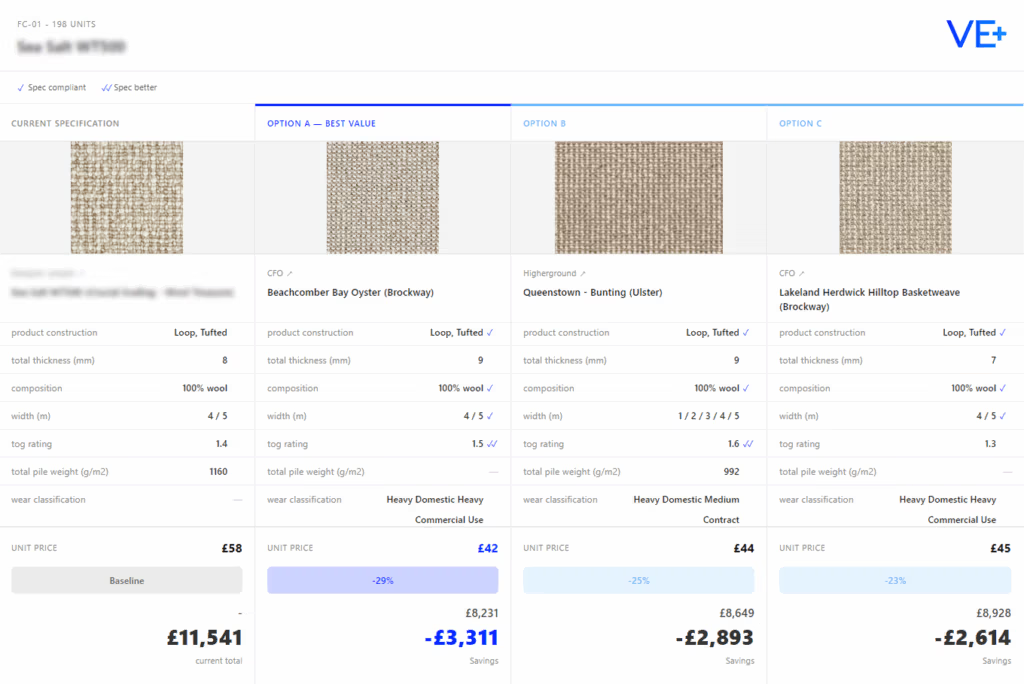
VE+ works within this gap. By scanning across a broader supplier base and comparing like-for-like options at a technical level, it becomes possible to surface alternatives that are less exposed to specific pressures, whether driven by energy, transport, or supply chain structure.