UK main contractor margins sit around 6%. On a competitive tender, a 2% swing on your submitted price is a third of your entire margin or, more often, the gap between your bid and the one that wins.
That is the math that decides where pre-tender value engineering belongs. Treated as a post-award exercise, VE is something a developer asks for and a contractor concedes to. Treated as a pre-submission exercise, it is something the bid is built around.
Where VE usually sits and what that costs
In the standard sequence, a contractor wins a job and is then asked to find savings. The design is already locked. The team is already committed. The choices left on the table are downgrade choices: thinner stone, cheaper timber, a finish that does not show in the renders. The contractor takes the hit on the relationship with the architect. The developer takes the hit on the building.
The savings get found, but everyone arrives at them tired.
Pre-tender VE inverts the sequence. The cost work moves into the bid. The contractor goes into the tender meeting with a sharper number or with the same number and a schedule of where it could move if needed. Either version is a different conversation from “now find savings.”
The case behind the math
Last month, VE+ ran a pre-tender review with a contractor pitching for a prime residential scheme in Central London. They came to us before submission, not after award.
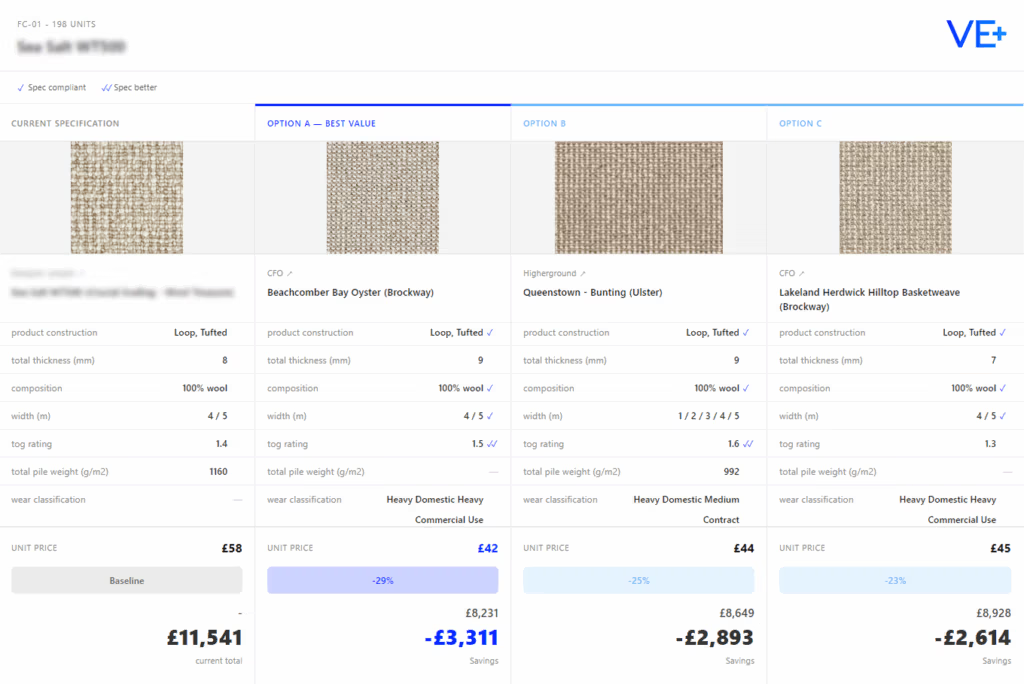
Eight working days. Forty line items across the finishes packages. Every item came back with at least two verified alternatives, with confirmed supplier pricing – not catalogue substitutions, not “you could probably get this cheaper somewhere.” Real replacements, sourced, costed, and ready to present.
Total identified savings: over £200,000. Roughly 2% of the full project value.

What the contractor walked into the tender meeting with was not just a cheaper number. It was evidence – a schedule of where savings could be made if the developer wanted to move the numbers, with technical and aesthetic equivalence already established for each line. The pitch stopped being a price. It became a position.
Tender results are pending. We will know whether the bid won when we know. But the question this engagement was supposed to answer – can pre-tender VE produce material savings, against verified alternatives, inside an eight-day window? – has been answered.
What this should change
If you are a contractor bidding on a competitive scheme, the question is not whether VE is worth doing. It is when. Doing it after award means giving up margin. Doing it before submission means trading the same effort for win-rate.
If you are a developer reviewing tenders, a contractor who brings a market-equivalent VE schedule to the bid is doing something the others aren’t. That is information about how they will work on your project, not just how they want to price it.